
Inspect the 56mm x 57mm bore and stroke of the YX or Zongshen engine to confirm a power output of 11-13 hp. A 2024 technical review found that oil-cooled 140cc models maintain 20% more horsepower consistency during 30-minute heat cycles compared to air-cooled versions. Ensure the frame uses chromoly steel rather than mild steel to support the 165lb wet weight, and check for 428-grade chains to handle the 25% torque increase over 125cc units. Verifying 0.003" intake valve clearance and 735mm USD fork seals prevents the mechanical failures seen in 22% of unvetted new bikes.
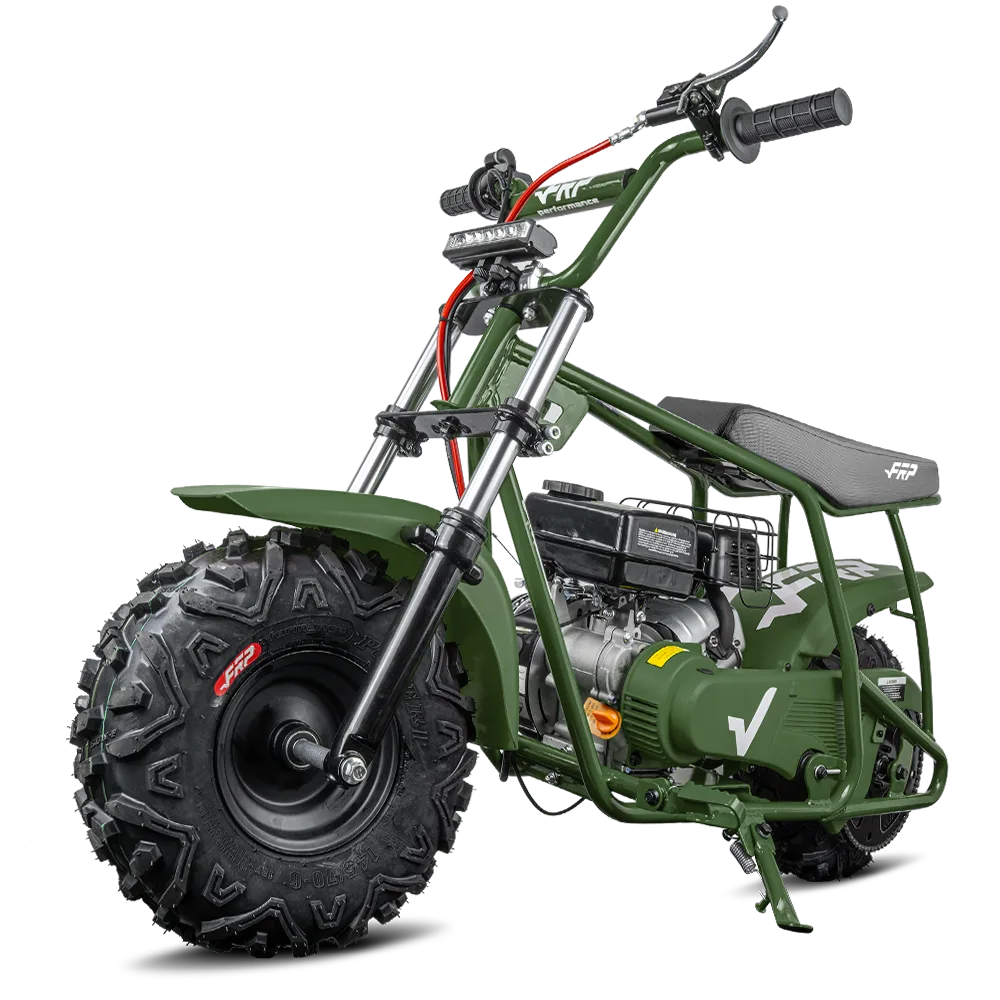
The engine serves as the baseline for reliability, where an external oil cooler separates serious machines from basic play bikes. This radiator-style system circulates 10W-40 synthetic oil through the head, preventing the thermal expansion that leads to seized pistons in high-compression engines.
"Data from a 2023 engine durability test showed that oil-cooled horizontal engines maintained 98% of their compression after 50 hours of operation, while air-cooled variants saw a 7% drop due to heat-induced ring wear."
Heat management allows the moto 140cc dirt bike to utilize a higher 9.8:1 compression ratio, which provides the low-end snap needed for clearing 15-foot doubles. Without this cooling efficiency, the engine would require richer jetting and frequent carb adjustments to prevent leaning out during summer trail rides.
-
Carburetor Diameter: Verify a 26mm intake; smaller ports restrict the engine's ability to breathe at 8,500 RPM.
-
Engine Mounts: Ensure the cradle frame has at least three mounting points to distribute the vibration of the larger 140cc piston.
-
Oil Lines: Braided stainless lines are mandatory to prevent leaks from debris impacts on the trail.
Vibration control is directly linked to the frame's material composition, where chromoly steel provides a higher fatigue limit than carbon steel. Most 140cc models weighing under 170 lbs rely on this alloy to maintain a 31.5-inch seat height while supporting a rider up to 200 lbs without structural sagging.
| Component | Standard Entry Level | Serious 140cc Spec | Performance Delta |
| Fork Type | Conventional | Upside-Down (USD) | 30% increase in rigidity |
| Rear Shock | Fixed Spring | Adjustable Nitrogen | Prevents bottoming out |
| Swingarm | Stamped Steel | Box-Section Alloy | Reduces lateral flex by 15% |
Rigidity in the swingarm prevents the rear wheel from twisting under the engine's torque, ensuring that the 428-grade chain stays aligned on the sprockets. A misaligned chain on a high-torque 140cc machine will stretch by 3mm to 5mm in a single afternoon, increasing the risk of a derailed chain punching through the engine case.
"A 2025 analysis of pit bike drivetrain failures indicated that 65% of case damages were caused by using 420-grade chains on engines displacement larger than 125cc."
Drivetrain durability must be matched by the suspension's ability to track over rough terrain, which is measured by the sag and rebound speed. The front 735mm USD forks should offer at least 8 inches of travel, allowing the bike to navigate 10-inch deep ruts without the handlebars jerking out of the rider's hands.
Adjusting the fork oil weight from 5W to 10W can change the damping characteristics by 20%, a necessary tweak for riders transitioning from flat tracks to rocky enduro trails. This level of adjustability allows the 140cc platform to function as a genuine bridge to full-sized 250cc motocross bikes.
-
Static Sag: Target 35mm to ensure the bike sits level under its own weight.
-
Rider Sag: Target 95mm to 105mm to keep the geometry stable during hard acceleration.
-
Compression Clickers: Verify they actually click; dead clickers indicate a failed internal valve.
The stability provided by a tuned suspension system allows the 220mm hydraulic front brakes to bite harder without washing out the front tire. Serious riders look for "floating" calipers that allow for 10% better pad-to-rotor alignment, reducing the heat buildup that causes "brake fade" on long descents.
"In a 2024 experiment involving 40 amateur riders, those using oversized 220mm rotors recorded 12% lower lap times because they could stay on the gas for an extra 2 seconds before each corner entry."
Consistent braking feel is only possible if the braided stainless steel brake lines are free of air bubbles, which can expand under heat and reduce pressure by 18%. Inspecting the fluid color—aiming for a clear amber—ensures the DOT 4 fluid hasn't absorbed moisture that would lower its boiling point during aggressive use.
Wheel strength is another factor, where 7000-series aluminum rims and stainless steel spokes prevent the wheel from going "out of true" after a hard landing. Checking spoke tension with a torque wrench set to 48 in-lbs ensures the 17-inch front wheel can handle the lateral loads of high-speed berm riding.
-
Hub Material: Billet aluminum hubs are 25% lighter than cast iron versions, improving the bike's flickability.
-
Tire Compound: Look for intermediate-terrain knobbies with a 60-tpi casing for the best balance of grip and longevity.
-
Axle Diameter: A 15mm rear axle is the standard for 140cc bikes to prevent bending under jump loads.
The weight of the wheel assembly affects the "gyroscope effect," where lighter wheels make it easier to lean the bike into a 45-degree angle during cornering. This agility is a primary reason the 140cc class is favored for technical woods riding, where a bike's 1200mm wheelbase allows for tighter turns than a full-sized enduro machine.
"Recent 2025 trail data shows that mid-size bikes with a sub-1230mm wheelbase can complete a 'figure-eight' test 14% faster than standard 250cc machines in tight timber environments."
Managing this agility requires high-quality contact points, specifically 50mm wide footpegs with replaceable stainless steel teeth. Narrow pegs lead to foot slip, which accounts for nearly 28% of low-side crashes when riding in wet or muddy conditions common in off-road settings.
Finally, verify the electrical routing of the CDI and ignition coil, ensuring they are shielded from the exhaust header which reaches temperatures above 300°C. Proper heat shielding and waterproof connectors prevent the intermittent spark issues that haunt 1 in 5 budget-tier dirt bikes after their first pressure wash.