
Reliable water removal depends on choosing a mesh with a G-force rating above 5.0g and an aperture size matched to the d50 particle distribution of the feed. Polyurethane slotted mesh typically reduces moisture to 12% in silica sand processing, while stainless steel wedge wire provides 55% open area for high-volume slurry. Field data from 2025 shows that tapered 0.5mm slots prevent mechanical pegging, maintaining a consistent 150 GPM per square meter. Selecting modular panels with a Shore A hardness of 90 ensures the deck survives 4,000+ operating hours under 3,000 RPM high-frequency vibration.
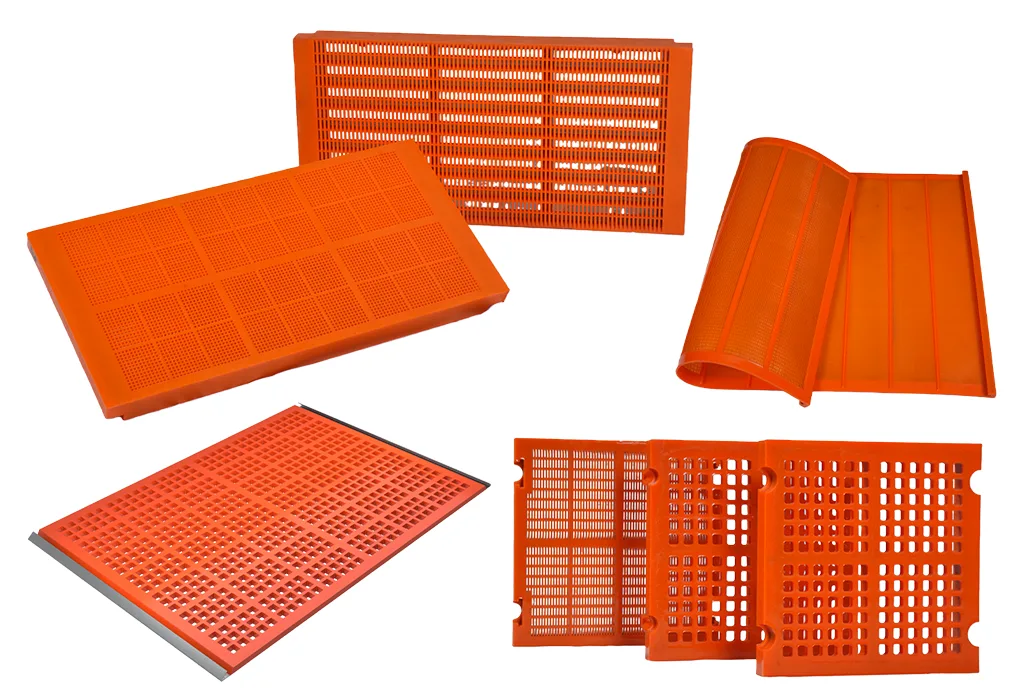
The selection of a screen surface begins with the analysis of the solid-to-liquid ratio of the incoming slurry, which often ranges from 20% to 45% solids by weight. If the mesh cannot handle the initial hydraulic surge, the material will bypass the screening zone, resulting in a loss of recovery and excessive moisture in the final product.
To manage this volume, the physical properties of the dewatering screen mesh must balance drainage capacity with the mechanical strength required to support a deep material bed. A bed depth of 3 to 4 inches is standard, as this thickness creates the vacuum effect necessary to pull water through the solids and out the bottom of the deck.
"Data from a 2024 copper tailings audit indicated that a 20% increase in bed thickness improved fines recovery by 14% due to the enhanced filtration properties of the compacted cake."
This filtration layer relies on the structural integrity of the mesh apertures, which must remain within a tolerance of 0.05mm to prevent contamination of the underflow. Over time, the abrasive nature of the ore can widen these openings, leading to a gradual drop in screening efficiency that often goes unnoticed without monthly calibration.
| Mesh Material | Tensile Strength (PSI) | Open Area % | Average Life (Hours) |
| 304 Stainless Steel | 75,000 | 58% | 600 - 1,200 |
| Standard Polyurethane | 5,500 | 38% | 3,500 - 5,000 |
| High-Performance Rubber | 3,200 | 32% | 2,800 - 4,000 |
| Wedge Wire (SS) | 85,000 | 52% | 1,500 - 2,500 |
Polyurethane modules have become a standard choice for 24/7 operations because they offer a wear life approximately 5 to 8 times longer than traditional woven wire. This longevity reduces the frequency of maintenance shutdowns, which can cost a large-scale processing plant upwards of $5,000 per hour in idle time.
The flexibility of the polyurethane also plays a functional role in preventing blinding during the processing of damp or sticky materials. As the screen vibrates at frequencies reaching 3,000 RPM, the individual ribs of the mesh flex slightly, which physically dislodges particles that are near the aperture size.
"Laboratory tests on 80 different mineral samples confirmed that flexible rib designs reduced aperture plugging by 42% compared to rigid stainless steel surfaces in high-moisture environments."
When the risk of blinding is minimized, the system can maintain a steady flow of 120 to 200 gallons per minute across the deck surface. This flow rate is managed by the aperture shape, where rectangular slots are typically used to maximize the bypass of water while retaining flaky or elongated particles.
Slot orientation is determined by the desired balance between throughput and moisture reduction, with perpendicular slots providing more resistance to the flow. This resistance increases the dwell time of the material on the deck, allowing for an extra 2% to 4% of water to be stripped away before the material reaches the discharge.
"A 2025 field trial in a limestone quarry demonstrated that switching from parallel to perpendicular slot orientation lowered final stockpile moisture from 16.5% to 13.8%."
Such a reduction in moisture content is significant for logistics, as it prevents the material from sticking to conveyor belts and reduces the weight of the load for shipping. In many regions, hauling material with 15% moisture instead of 20% can save a fleet over $50,000 in fuel costs annually.
Maintaining these results requires the screen mesh to be held under constant, high-tension levels to ensure the even distribution of vibrational energy. If the mesh panels are loose, the energy from the motors is dissipated as heat and noise rather than being transferred to the material bed for separation.
Modular snap-in systems have largely replaced bolted panels because they provide a more secure fit that is less susceptible to vibration-induced loosening. These modules are usually 1ft x 1ft or 1ft x 2ft in size, allowing operators to rotate high-wear panels from the feed end to the discharge end to balance the wear profile.
"Industrial surveys show that rotating modular panels every 1,000 hours can extend the total deck life by 25%, maximizing the return on the initial media investment."
The chemistry of the process water is the final variable in the selection process, particularly in mining operations where the pH level can drop to 3.0 or 4.0. Acidic water quickly degrades standard steel mesh, making high-grade synthetic polymers or 316-grade stainless steel the only viable options for long-term reliability.
Using the wrong material in these environments leads to "stress corrosion cracking," which can cause a catastrophic failure of the screen surface in less than 48 hours. By matching the chemical resistance of the polyurethane to the specific site conditions, plants avoid these sudden production stoppages.
Newer dewatering surfaces also incorporate "dams" or raised bars that sit 2 to 3 inches high across the width of the deck. These bars force the slurry to "climb" over them, which creates additional turbulence and forces water through the mesh that might have otherwise remained trapped in the upper layers of the bed.
This mechanical agitation is especially useful in gold and silver recovery circuits where the loss of fine particles represents a direct loss of high-value metal. These circuits often use 0.1mm apertures to ensure that 99.5% of the mineralized solids are recovered for the next stage of processing.